
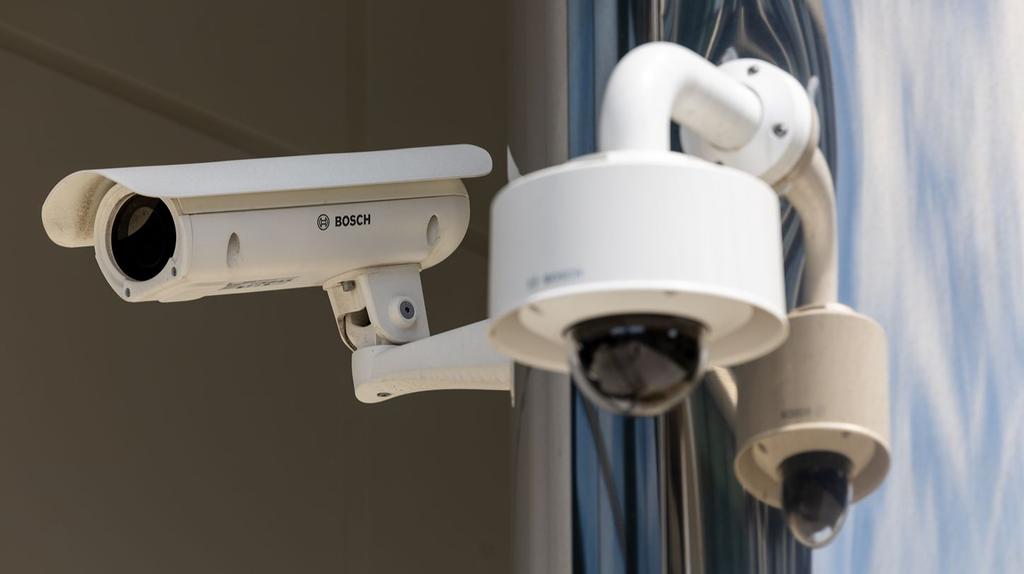
Brussels left with 320 unused cameras after SmartMove road-pricing plan abandoned
Brussels has 320 cameras purchased for its abandoned SmartMove urban road-pricing project still boxed and unused, while almost a quarter of the region’s existing automatic number-plate recognition (ANPR) network is out of service.
SmartMove was the Brussels-Capital Region’s proposed distance-based charge for cars and other light vehicles. It would have replaced the annual vehicle tax and one-off registration tax paid on most Brussels-registered cars with charges varying according to distance travelled, time of day and vehicle characteristics. Commuters and other motorists entering Brussels would also have paid to use the region’s roads.
The proposed system would have combined a smartphone application or day pass with ANPR enforcement and was intended to reduce congestion as well as raise revenue. The 320 unused cameras were bought in 2022, according to figures reported by L’Echo and Belga. Separate data from regional telecommunications company Irisnet show that 23% of the 498 ANPR cameras currently operating across Brussels are defective.
Only 48% of approximately 13,700 camera detections supplied annually to Brussels Taxation can be used by the authority. Brussels Minister-President Boris Dilliès has acknowledged that the management of the camera network needs to be simplified and its operational performance improved. European Union records show that Belgium asked for the SmartMove project to be removed from its EU recovery and resilience plan in October 2024 because elements of the investment were no longer achievable.
The amendment was approved that December, with resources redirected to other measures including an extension of Brussels’ ANPR network. The possibility of reviving SmartMove now appears to have been closed off. The Brussels government’s February 2026 policy programme contains no commitment to the scheme and instead backs participation in a harmonised Belgian road vignette. As previously reported, Brussels, Flanders and Wallonia intend to introduce a common digital vignette for light vehicles in May 2027.
However, the draft interregional agreement also commits the three regions not to introduce their own regional or urban tolling systems during the current legislature. The shift from distance-based charging to a fixed-period vignette is also attracting fresh policy criticism. In advice published on 4 September, the Mobility Council of Flanders said the vignette would have little effect on travel behaviour or congestion because its price would not vary by distance, time or location.
It called for Belgium to work towards a general kilometre-based charge instead. Modelling undertaken for SmartMove had estimated that it could reduce average weekday car travel in Brussels by 12%, evening-peak traffic by 18% and time lost in congestion by 30%. The interregional agreement appears to make SmartMove's abandonment definitive for the present legislature, while Brussels is left with hundreds of unused cameras purchased for the project.