
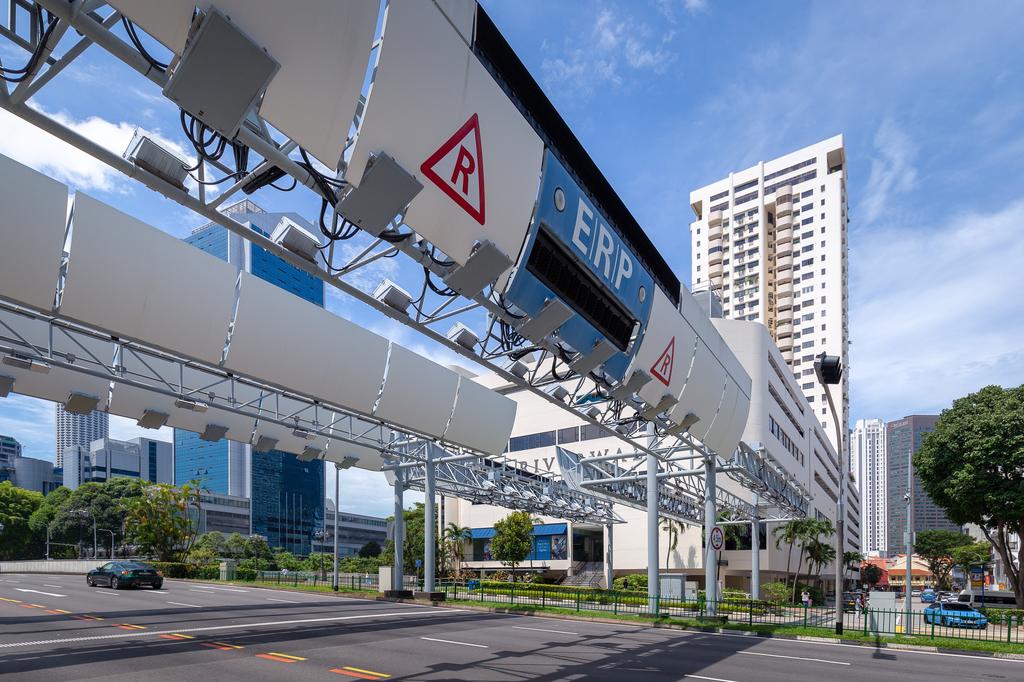
Singapore finds camera-based road pricing viable but ends ERP X trial
Singapore has completed a two-year experiment which found that conventional electronic road-pricing points could technically be replaced by automatic number-plate recognition cameras and a mobile payment system.
The ERP X project, conducted by the government’s Open Government Products (OGP) team, involved 403 motorists and ultimately deployed 63 cameras across Singapore’s 22 active electronic road pricing (ERP) locations. Weighted recognition accuracy for Singapore-registered vehicles reached 97.16%. Performance varied according to conditions, reaching 99.23% in dry daytime conditions and 98.55% during daytime rain, before falling to 95.77% at night and 90.98% on rainy nights.
Foreign registration plates were excluded from the accuracy results. The team estimated that replacing equipment at the 22 active ERP sites would require approximately S$2.7m (US$2.1m) in upfront camera costs and around S$2.2m (US$1.7m) annually for connectivity and maintenance. The experiment itself cost about S$4.4m (US$3.4m). Payments were simulated during the trial and no money was taken from participating motorists.
Asked whether the recorded accuracy would be sufficient for a live charging system, an OGP spokesperson The Straits Times: “That’s a policy decision for whoever owns and designs a live system, rather than something an experiment can decide on its own.”
Singapore has no plans to deploy ERP X and all of the project’s cameras have been switched off. However, the Land Transport Authority (LTA) said camera-based systems remain among the technologies it evaluates for possible future road-pricing applications.
The findings have been passed to the Ministry of Transport and LTA to inform the development of systems beyond ERP 2.0.