
South Africa writes off historical Gauteng e-toll debt
South Africa’s Cabinet has approved the write-off of outstanding historical debt linked to the Gauteng Freeway Improvement Project (GFIP) e-toll scheme.
The decision confirms that unpaid historical GFIP e-toll debt owed by road users will be written off and that the South African National Roads Agency SOC Limited (SANRAL) will not pursue further collection of the debt. Road users who paid e-tolls while the system was legally in force will not be refunded. The Department of Transport said the no-refund position is based on the fact that the levies were lawful at the time they were paid, before the relevant toll declarations were withdrawn.
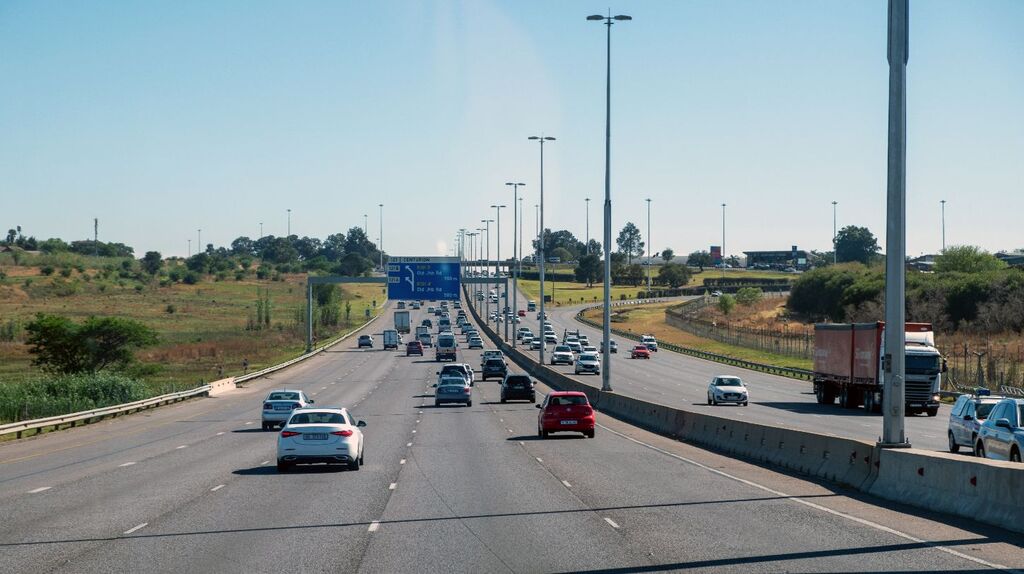
The Cabinet decision follows the South African government’s earlier move to close the GFIP e-toll scheme. The GFIP toll declarations were withdrawn with effect from 11 April 2024. The e-toll system was introduced as a funding mechanism for upgrades to Gauteng’s freeway network. The scheme became one of South Africa’s most controversial road pricing projects, facing sustained public opposition, low compliance and years of political and legal dispute.
Transport minister Barbara Creecy and deputy transport minister Mkhuleko Hlengwa welcomed Cabinet’s decision, describing it as a long-awaited step towards closing the GFIP e-toll matter in an orderly and responsible manner. “Government reiterates that the close-out of GFIP e-toll debt is intended to provide certainty, resolve historical debt matters and support a sustainable approach to the funding, maintenance and improvement of South Africa's national road network,” the Department of Transport said.
The approval also includes the resolution of outstanding litigation matters linked to the scheme. In a bondholder notice, SANRAL said the Cabinet-approved close-out of historical road-user e-toll debt does not alter the existing funding arrangement for GFIP-related debt and obligations between National Treasury, the Gauteng Provincial Government and the Department of Transport. SANRAL said it will now proceed with the required administrative, financial and reporting steps to give effect to Cabinet’s decision, including the appropriate accounting and disclosure treatment in its annual financial statements.
The government said the write-off of the outstanding debt gives effect to its decision to close the GFIP e-toll scheme and provide finality for road users, SANRAL and the fiscus.
It also said the user-pay principle remains part of South Africa’s road infrastructure funding framework where it is broadly accepted by road users through negotiation and agreement, appropriately structured, legally sound and supported by clear policy certainty.